
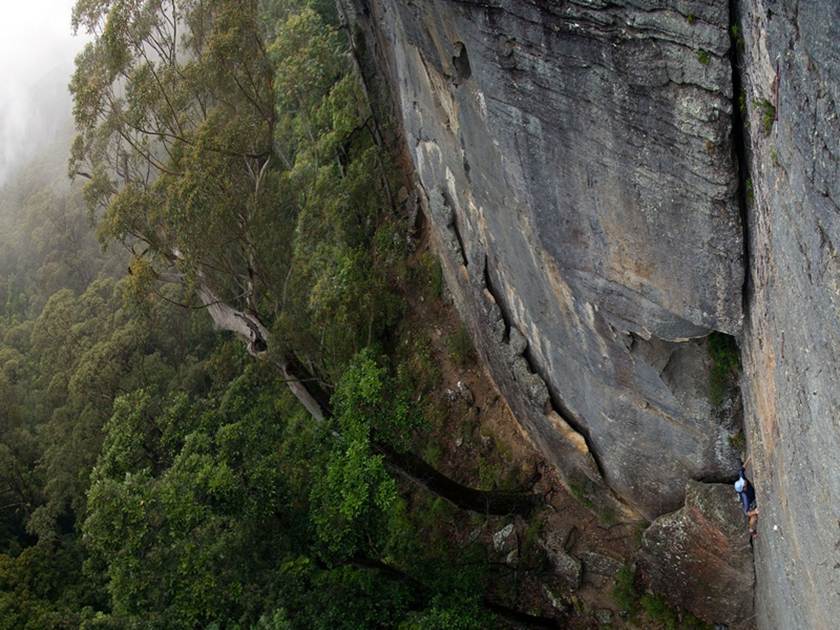
Australia’s Premier Rock Climbing Destinations: Top 5 Spots for Vertical Adventures
Australia’s diverse geological landscape offers some of the world’s most spectacular rock climbing experiences, from the sandstone cliffs of New South Wales to the dramatic sea stacks of Tasmania. With over 2,000 climbing areas across the continent, Australia has established itself as a premier destination for climbers seeking everything from beginner-friendly sport routes to challenging traditional multi-pitch adventures. This guide explores the five most outstanding rock climbing destinations that showcase the country’s incredible variety of rock types, climbing styles, and natural beauty.
1. Blue Mountains, New South Wales - Sandstone Paradise
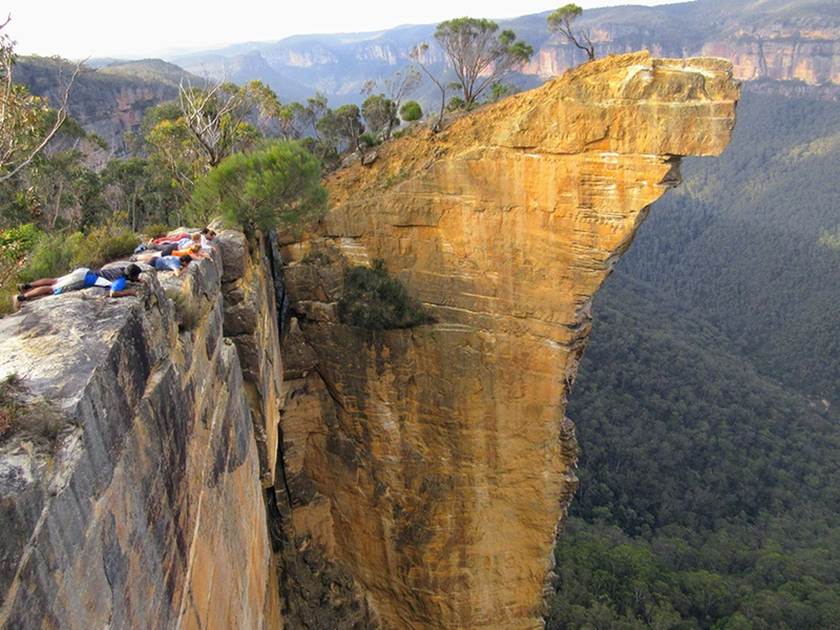
Blue Mountains Rock Climbing
The Blue Mountains, located just 90 minutes west of Sydney, represent Australia’s most accessible and diverse climbing destination. This UNESCO World Heritage area features over 1,000 documented climbing routes across dozens of crags, making it the country’s premier training ground for climbers of all abilities.
Rock Type and Characteristics: The region’s Hawkesbury sandstone provides exceptional friction and features predominantly face climbing on crimps and small holds. The rock quality is generally excellent, with routes typically following natural weakness lines up slightly overhanging walls. The sandstone’s unique properties create challenging technical climbing that demands precise footwork and finger strength.
Climbing Styles: The Blue Mountains excel in single-pitch sport climbing, with grades ranging from beginner-friendly 12s to world-class 32+ routes. The area also offers excellent traditional climbing opportunities, particularly on the longer routes at venues like Mount Piddington and Cosmic County. Multi-pitch climbing is available at locations such as Mount York, where climbers can experience the full grandeur of the sandstone escarpments.
Best Seasons: Autumn (March-May) and spring (September-November) provide optimal conditions with mild temperatures and stable weather. Winter offers excellent climbing conditions on north-facing walls, while summer requires early morning starts to avoid the heat. The region’s elevation (600-1,100 meters) ensures comfortable temperatures even during warmer months.
Notable Crags: Cosmic County offers some of Australia’s finest sport climbing with routes like “Serpentine” (29) and “Groove Train” (28). Mount Piddington provides excellent traditional climbing with classic routes such as “Janicepts” (20) and “Diedre” (18). For beginners, Shipley Upper and Centennial Glen offer numerous moderate routes in spectacular settings.
2. Grampians National Park, Victoria - Sandstone Wonderland
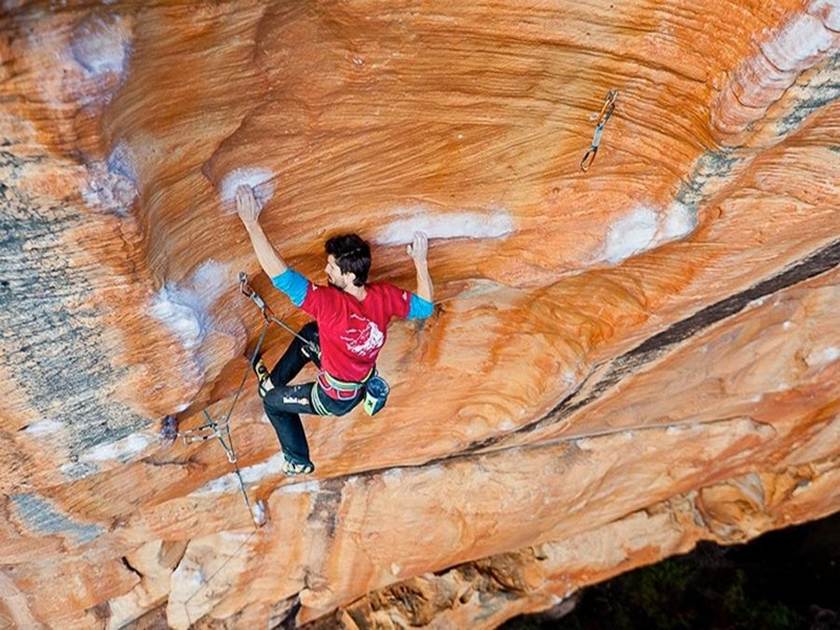
Grampians Rock Climbing
The Grampians, known as Gariwerd to the local Aboriginal people, offer some of Australia’s most iconic climbing experiences. This ancient mountain range features distinctive sandstone formations that provide everything from gentle slabs to steep overhangs, all set within a landscape of exceptional natural beauty.
Geological Features: The Grampians’ sandstone differs significantly from the Blue Mountains, featuring coarser grain and more varied textures. This creates diverse climbing opportunities, from delicate slab climbing requiring balance and technique to powerful overhanging routes demanding strength and endurance. The rock’s orange and red hues create a visually stunning backdrop for climbing adventures.
Climbing Diversity: The region offers an exceptional range of climbing styles across all difficulty levels. Beginners can enjoy numerous moderate traditional routes on the area’s famous slabs, while advanced climbers can test themselves on some of Australia’s most challenging sport routes. The Grampians are particularly renowned for their high-quality traditional climbing, with many routes following natural crack systems and corner features.
Seasonal Considerations: The best climbing conditions occur during autumn and spring when temperatures are moderate and rainfall is minimal. Summer can be extremely hot, with temperatures often exceeding 40°C, making climbing dangerous during midday hours. Winter provides excellent conditions for climbing on north-facing walls, though some higher elevation areas may experience frost.
Iconic Climbing Areas: Taipan Wall features some of Australia’s most famous hard sport routes, including “Taipan” (32) and “Punks in the Gym” (33). The Pinnacle offers classic traditional climbing with routes like “Bard” (16) and “Eureka” (18). Mount Rosea provides excellent moderate climbing in a spectacular setting, while the Northern Grampians offer more remote and adventurous climbing experiences.
3. Mount Arapiles, Victoria - The Climbing Mecca
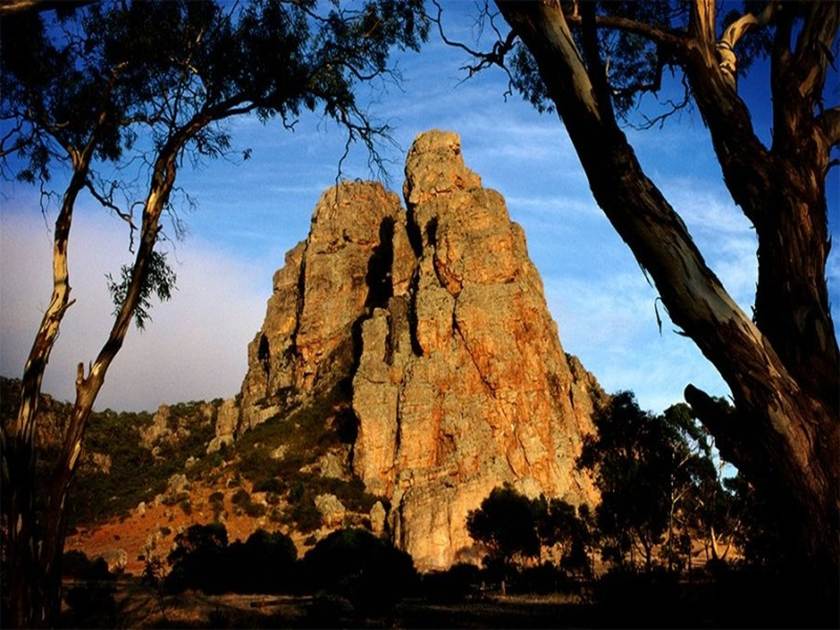
Mount Arapiles Rock Climbing
Mount Arapiles stands as Australia’s most famous climbing destination and one of the world’s premier traditional climbing areas. This isolated sandstone monolith rising from the Wimmera plains has attracted climbers from around the globe since the 1960s, establishing Australia’s reputation as a serious climbing destination.
Rock Quality and Features: Arapiles’ Devonian sandstone is renowned for its exceptional quality, offering solid holds, clean cracks, and reliable protection placements. The rock’s fine grain and excellent friction make it ideal for both traditional and sport climbing. The mountain’s various faces provide climbing opportunities throughout the day, with different aspects offering shade and optimal conditions at different times.
Historical Significance: Mount Arapiles holds a special place in Australian climbing history, with many of the country’s most significant first ascents occurring here. The mountain has been the training ground for generations of Australian climbers and continues to attract international visitors seeking to experience its legendary routes.
Climbing Characteristics: The area is famous for its traditional climbing, with over 2,000 documented routes ranging from easy scrambles to extremely challenging technical climbs. The mountain offers everything from single-pitch routes to major multi-pitch adventures. Sport climbing is also available, though traditional climbing remains the primary focus.
Access Considerations: Recent access restrictions have affected some areas of Mount Arapiles due to cultural heritage concerns. Climbers should check current access information and respect all closures. The climbing community continues to work with traditional owners and park management to ensure sustainable access while protecting cultural values.
Classic Routes: “Kachoong” (21) remains one of Australia’s most famous traditional climbs, offering sustained technical climbing on perfect rock. “Watchtower Crack” (18) provides an excellent introduction to Arapiles climbing, while “Blimp” (25) challenges even experienced traditional climbers with its technical demands.
4. Freycinet Peninsula, Tasmania - Sea Cliff Spectacular
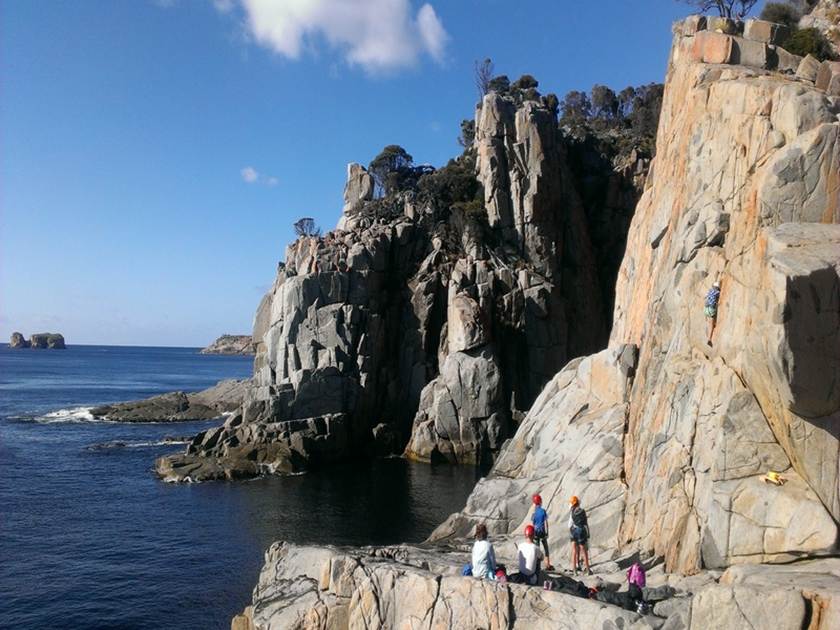
Freycinet Peninsula Rock Climbing
The Freycinet Peninsula offers Australia’s premier sea cliff climbing experience, combining world-class granite climbing with some of the country’s most spectacular coastal scenery. This remote Tasmanian destination provides a unique climbing experience where routes often finish just meters above the Southern Ocean’s crashing waves.
Geological Characteristics: The peninsula’s pink granite provides exceptional climbing on a rock type rarely found elsewhere in Australia. The granite’s crystalline structure offers excellent friction and positive holds, creating climbing that differs significantly from the mainland’s sandstone areas. The rock quality is generally outstanding, with many routes following natural crack systems and face features.
Sea Cliff Environment: Climbing at Freycinet requires careful attention to weather and sea conditions. Routes are often affected by wind, salt spray, and changing tides. The maritime environment creates unique challenges, including the need for salt-resistant equipment and careful timing of climbing sessions to avoid adverse weather conditions.
Route Diversity: The area offers climbing for all abilities, from moderate traditional routes suitable for intermediate climbers to extremely challenging sport climbs that test the limits of human ability. Multi-pitch routes are common, with many climbs offering 3-6 pitches of sustained climbing in spectacular positions.
Wildlife and Environment: The peninsula is home to diverse wildlife, including Tasmanian devils, echidnas, and numerous bird species. Climbers often encounter seals and dolphins while climbing the sea cliffs, adding to the area’s unique appeal. The pristine environment requires careful environmental stewardship from all visitors.
Notable Climbing Areas: The Hazards provide the peninsula’s most famous climbing, with routes like “Lassies Wall” offering classic granite climbing in a stunning setting. Whitewater Wall features some of Tasmania’s most challenging routes, while the various sea stacks around the peninsula offer adventurous climbing for experienced climbers.
5. Nowra, New South Wales - Overhang Capital
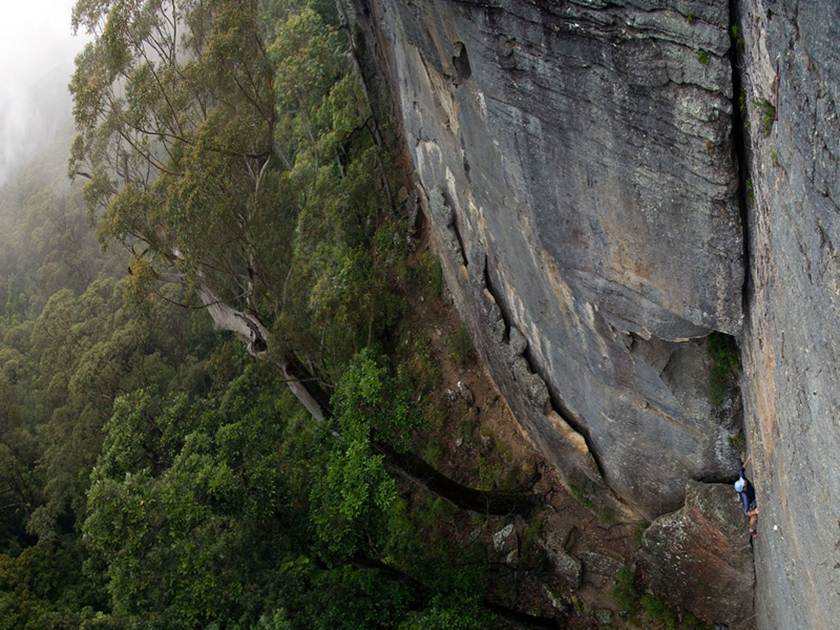
Nowra Rock Climbing
Nowra, located on the NSW South Coast, has emerged as Australia’s premier destination for steep sport climbing. The area’s distinctive sandstone overhangs and roofs provide some of the country’s most challenging and athletic climbing, attracting strong climbers from around the world.
Rock Characteristics: Nowra’s sandstone differs from other Australian climbing areas, featuring steeper angles and more pronounced overhang features. The rock quality is excellent, with solid holds and reliable bolt placements. The area’s unique geology creates climbing that emphasizes power, endurance, and dynamic movement rather than the technical face climbing found elsewhere.
Climbing Style: The area is renowned for its sport climbing, with most routes featuring sustained overhanging climbing on positive holds. Grades tend to be challenging, with many routes starting at grade 20 and extending to some of Australia’s hardest sport climbs. The climbing style rewards powerful movement and good route reading skills.
Access and Approach: Most Nowra crags require short approaches, often involving canoe access across the Shoalhaven River. This unique access method adds to the area’s adventure quotient while keeping crowds manageable. The river access also provides opportunities for swimming and relaxation between climbing sessions.
Seasonal Conditions: Nowra’s coastal location provides relatively stable year-round climbing conditions. The area’s overhanging nature means that many routes remain dry even during light rain, making it an excellent destination when other areas are affected by weather. Summer can be hot and humid, while winter provides ideal conditions for hard climbing.
Development and Growth: Nowra continues to see significant route development, with new areas being established regularly. The “New Nowra” area along Braidwood Road has added hundreds of routes to the region’s inventory, cementing its position as a world-class sport climbing destination.
Planning Your Australian Climbing Adventure
| Destination | Best Season | Primary Style | Grade Range | Unique Features |
| Blue Mountains, NSW | Autumn/Spring | Sport/Trad | 12-32+ | Accessible, diverse, sandstone |
| Grampians, VIC | Autumn/Spring | Trad/Sport | 10-33 | Iconic slabs, traditional climbing |
| Mount Arapiles, VIC | Autumn/Spring | Traditional | 8-30+ | World-class trad, historical significance |
| Freycinet, TAS | Summer | Trad/Sport | 15-30+ | Sea cliffs, granite, remote |
| Nowra, NSW | Year-round | Sport | 18-35+ | Overhangs, athletic climbing |
Essential Considerations for Australian Climbing
Equipment Requirements: Australian climbing demands versatile equipment suitable for various rock types and climbing styles. A standard sport climbing rack should include quickdraws, a 70-meter rope, and a helmet. Traditional climbing requires a comprehensive rack of protection, including cams, nuts, and pitons for some areas.
Safety and Environmental Awareness: Australia’s remote climbing areas require careful planning and self-sufficiency. Weather conditions can change rapidly, particularly in mountain areas. Climbers should carry emergency equipment, inform others of their plans, and be prepared for extended self-rescue scenarios.
Cultural Sensitivity: Many Australian climbing areas are located on or near sites of cultural significance to Aboriginal peoples. Climbers must respect access restrictions, cultural protocols, and work to maintain positive relationships with traditional owners and local communities.
Conservation Ethics: Australia’s climbing areas face increasing pressure from development, climate change, and recreational use. Climbers have a responsibility to minimize their environmental impact, follow Leave No Trace principles, and support conservation efforts that protect these remarkable landscapes for future generations.
Australia’s rock climbing destinations offer unparalleled diversity and quality, providing experiences that range from accessible day trips to remote wilderness adventures. Each of these five premier destinations contributes to Australia’s reputation as one of the world’s great climbing countries, offering challenges and rewards for climbers of all abilities and interests.