
How to Climb Kilimanjaro 2026: Everything You Need to Know
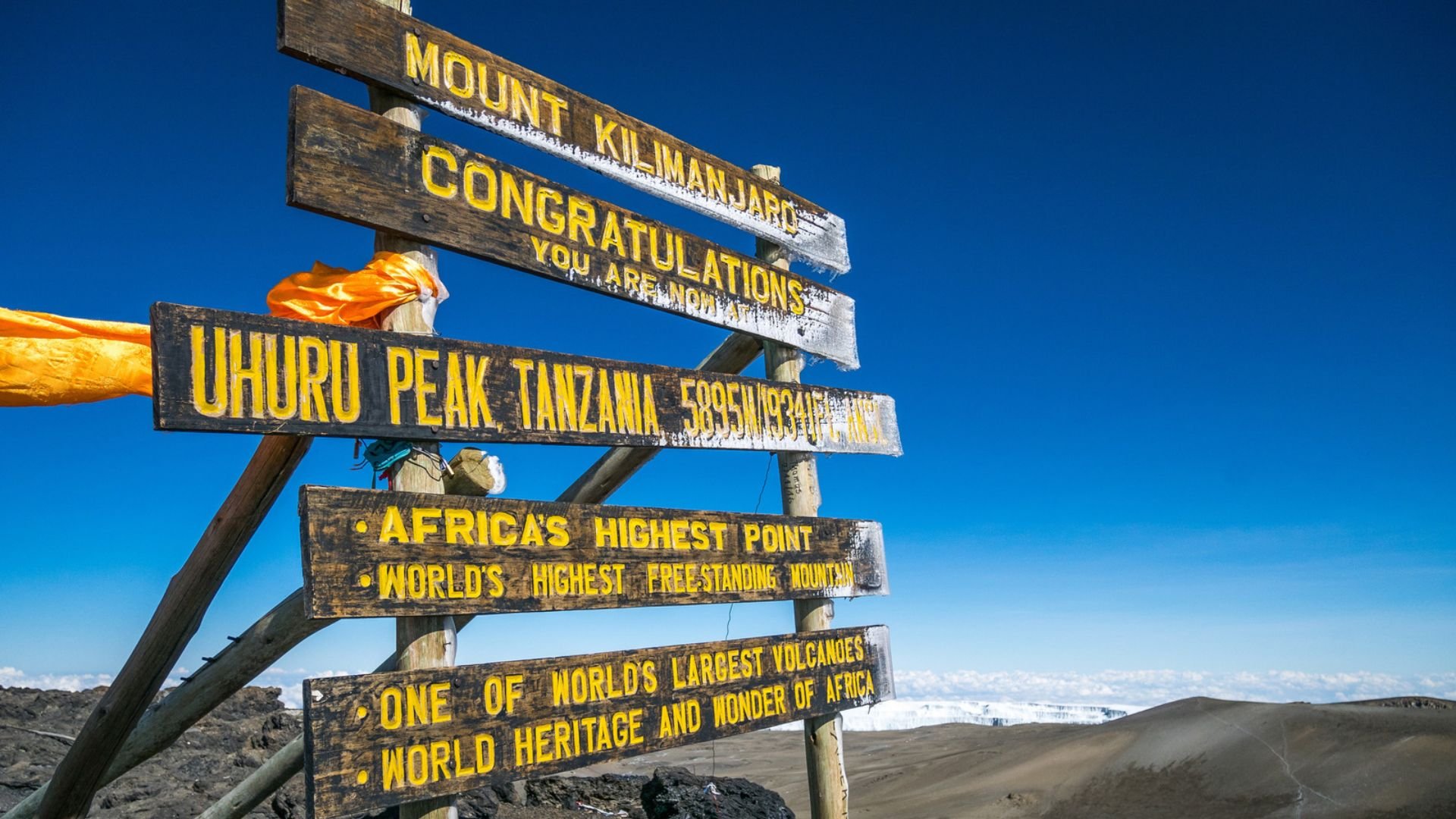
Standing 5,895 metres (19,341 feet) above sea level, Mount Kilimanjaro is the highest peak in Africa and the tallest free-standing mountain in the world. One of the Seven Summits, it is also unusual for a mountain of this stature in that you can reach the top without ropes, ice axes, or crampons, making it one of the most popular bucket-list climbs on the planet.
But "non-technical" does not mean "easy".
This guide covers everything you need to know in order to plan your Kilimanjaro climb. The best routes, how long it takes, when to go, and how to give yourself the best chance of standing on the summit.
How Hard Is It to Climb Kilimanjaro?
Kilimanjaro is physically demanding mostly because of altitude, not terrain. Your body has to adjust to far less oxygen than it is used to, and summit night (a pre-dawn push from high camp to the crater rim) is cold, steep, and tiring. Sleep is often poor at altitude, which makes the mental side tougher as well.
The good news is that you do not need mountaineering experience. You do need decent cardiovascular fitness, some hiking practice with a loaded daypack, and the patience to go slowly. Guides call this approach "pole pole" (pronounced poh-lay poh-lay), Swahili for "slowly, slowly." Going slow is the single best habit for avoiding altitude sickness.
Kilimanjaro Routes Compared
There are several official routes to the summit, and your choice matters more than almost anything else. Routes differ in scenery, crowds, difficulty, and most importantly, how well they let your body acclimatise.
Lemosho Route (7 to 8 days)
Often called the most beautiful route, Lemosho starts on the western side and passes through rainforest before crossing the Shira Plateau and reaching the Lava Tower. It is quieter than Machame in its early stages, has a gradual profile, and is a favourite for first-timers who want good summit odds.
Machame Route (6 to 7 days)
Nicknamed the "Whiskey" route, Machame is the most popular choice. It follows a "climb high, sleep low" pattern, including the Barranco Wall scramble. It is scenic and rewarding, but can be busy. The 7-day version is considerably safer for acclimatisation than the 6-day one.
Rongai Route (7 days)
Rongai is the only route that approaches from the north, close to the Kenyan border. It is drier, quieter, and gentler on the legs, which makes it a good option in wetter months.
Northern Circuit (8 to 9 days)
The newest and longest route circles the mountain before the summit push. Its extra days give the best acclimatisation and typically the highest success rate, with fewer crowds.
Marangu Route (5 to 6 days)
Known as the "Coca-Cola" route, Marangu is the only one with hut accommodation instead of tents. It looks easy on paper, but the quick, steady ascent and short 5-day option make it a poor choice for acclimatisation. If you choose it, take the 6-day version.
Umbwe Route (6 days)
The steepest and most direct route. It is a hard climb with limited acclimatisation and is best left to experienced, strong trekkers.
Our recommendation: for most first-time climbers, an 8-day Lemosho or 7-day Machame itinerary offers the best balance of scenery and summit success.
How Long is a Kilimanjaro Climb?
Expect to spend anywhere from 5 to 9 days on the mountain itself, with an additional day or two on either side for travel and recovery. The longer trips are better, as they give you more time to acclimatise and reduce your chances of having to cut your trek short due to altitude sickness. They also tend to be significantly more expensive, but the extra day of park fees and staff wages is well worth the insurance against disaster.
What Is the Kilimanjaro Success Rate?
Overall, estimates put the summit success rate at roughly 65 to 80% across all routes. Be careful with the precise numbers you see online: nearly all published route-by-route statistics trace back to old national park figures from 2006 (45% overall) and operator estimates built on top of them. Those old figures did show a clear pattern by itinerary length, though:
5 days: about 27%
6 days: about 44%
7 days: about 64%
8 days: about 85%
Modern, well-run Providers report higher numbers, but the lesson holds: choose a longer itinerary and a reputable company. Rainy-season climbs also see lower success rates than during the dry season.
A note on summit points: the park recognises three. Gilman's Point and Stella Point sit on the crater rim, while Uhuru Peak is the true summit and the one that counts as "reaching the top."
Best Time to Climb Kilimanjaro
Kilimanjaro can technically be climbed year-round, but the dry seasons offer the best weather:
January to March: warm, clear, and generally dry, though colder at the top
June to October: the main high season, with the most reliable skies and the biggest crowds
The two wet seasons, March to May and November to early December, bring mud, storms, and fewer climbers. Rain on the lower slopes can make the trail slippery and miserable, and success rates drop.
If you are not sure which window suits you, ActionTrails can help you match your dates to your preferred route and fitness level.
Do You Need a Guide?
Yes. Climbing Kilimanjaro independently is not allowed under Tanzanian regulations. You must hire a registered local Provider, who will provide licensed guides, porters, a cook, permits, tents, and meals.
Altitude Sickness and Safety
Acute mountain sickness (AMS) is the biggest risk on Kilimanjaro. Symptoms include headache, nausea, dizziness, and poor sleep. Severe forms can become life-threatening, and people do die on the mountain every year, so take it seriously.
To reduce your risk:
Choose a longer route with good acclimatisation
Walk slowly and drink plenty of water
Follow the "climb high, sleep low" principle
Speak to your doctor in advance about altitude medication such as acetazolamide (Diamox)
Tell your guide immediately if symptoms appear, and accept their decision to turn you around if needed
Kilimanjaro Climate Change and Its Glaciers
The summit's glaciers have been shrinking for decades, and scientists expect them to continue disappearing. Seeing the ice remnants near the crater rim is a highlight of the climb and a reminder of how quickly this landscape is changing.
Tips to Reach the Summit
Pick a longer itinerary. Eight days beat six every time.
Train specifically.
Go pole pole. Starting slowly saves energy for summit night.
Hydrate and eat well, even when your appetite drops.
Choose a reputable Provider from ActionTrails.com with strong safety and porter-welfare standards.
Time your trip for a dry-season window.
Keep your electronics warm. Cold drains batteries fast on summit night.
Final Thoughts
Climbing Kilimanjaro is one of the most accessible big-mountain adventures in the world, but the best results come from careful planning. Choose an itinerary of at least seven days, travel in the dry season, pick an ethical Provider, and walk slowly. Do that, and you will give yourself the best shot at watching the sun rise from the roof of Africa.