

Lucky Dragon tours and Treks
Supported languages
English
Minimun Age: 18
Level:Beginner
Suggested fitness level: STRONG
Physical limitations
- Level : Intermediate Hiker
- Fitness : Strong
Duration:12 days
How to get here:
- By Car See on map >>
- By Air See on map >>
Hiking in the Himalayas
Haa, Bhutan
Hiking the Trans Bhutan Trail
2026-04-01 - 2026-04-13
6 places left
€2850.00
per person
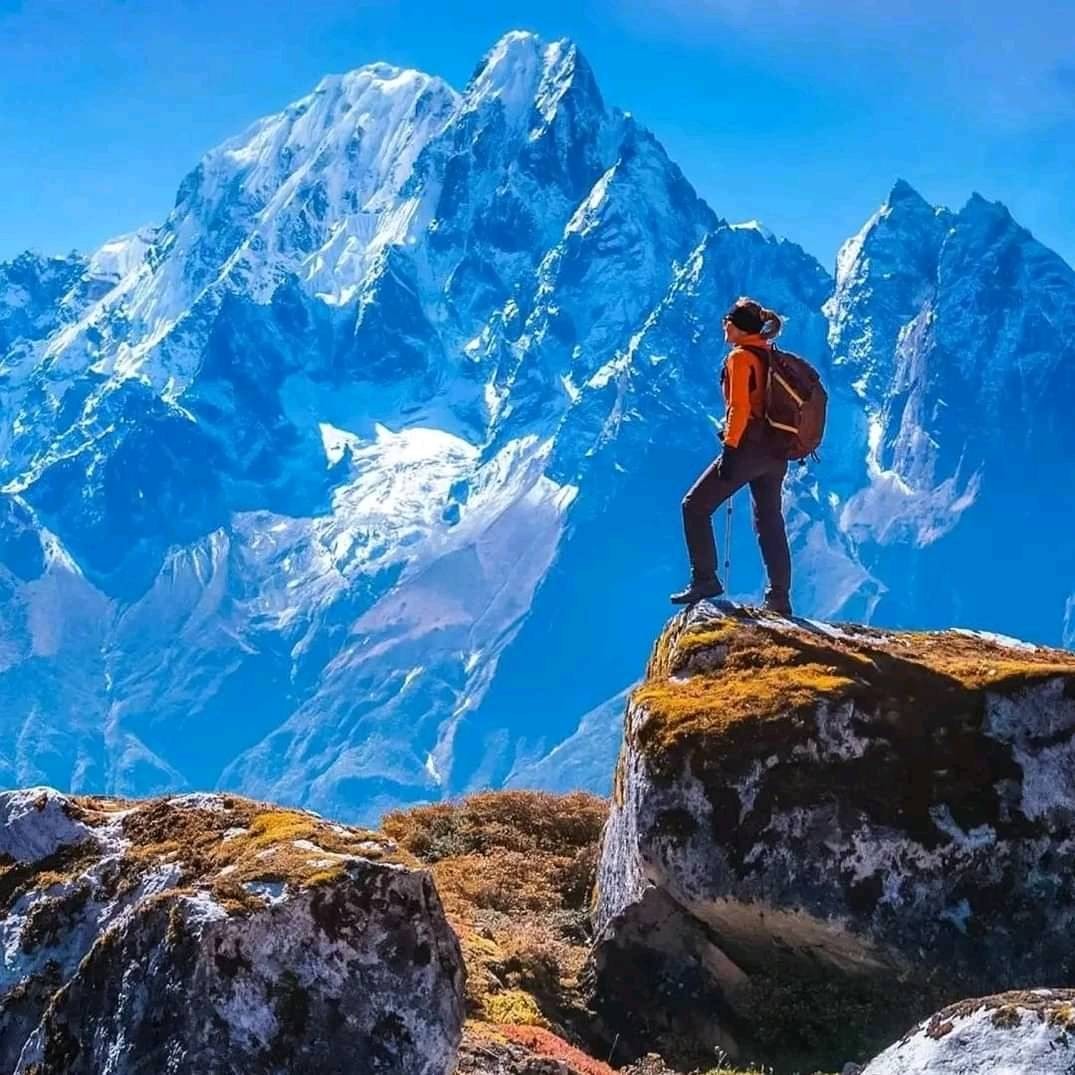
Trans Bhutan Trail hiking takes you along an ancient pathway that once connected the entire kingdom. Walk through remote villages, forests, and mountain passes, experiencing Bhutan’s living culture, nature, and history on a scenic journey across the heart of the Himalayas.
Trip Synopsis – Trans Bhutan Trail Hiking Journey (12 Days)
This 12-day Trans Bhutan Trail journey is a deeply immersive hiking experience that blends ancient trade routes, sacred landscapes, village life, and Himalayan panoramas. Walking sections of the historic trail that once connected Bhutan’s valleys, travelers move from Paro to Haa, Thimphu, Punakha, Phobjikha, and back to Paro, discovering Bhutan not just as a destination, but as a living, breathing culture.
Designed for travelers who love meaningful hiking rather than extreme trekking, the journey balances moderate physical challenge with spiritual depth, cultural encounters, and some of Bhutan’s most scenic valleys. From alpine passes and hidden lakes to sacred monasteries and timeless villages, this is Bhutan experienced slowly, consciously, and authentically.
Trip Highlights
Walk sections of the ancient Trans Bhutan Trail, once used by traders, monks, and villagers
Scenic drive over Chele La Pass (3,988m) and Dochula Pass (3,100m) with Himalayan views
Gentle acclimatisation hikes in Haa Valley and Paro Valley
Trek from Haa to Paro through forests, yak pastures, and mountain passes
Cultural exploration of Thimphu, Bhutan’s only capital without traffic lights, with scenic evening hikes
Full-day Pumola high-altitude hike to serene remote monasteries
Walk the legendary Divine Madman Trail, rich in folklore and village life
Hike to Khamsum Yulley Namgyal Chorten overlooking Punakha Valley
Sacred hike to Kabji-Hoka Tsho, one of Bhutan’s hidden spiritual lakes
Longtey to Gangtey hike into the stunning Phobjikha Valley
Optional mineral hot stone bath experience in Gangtey
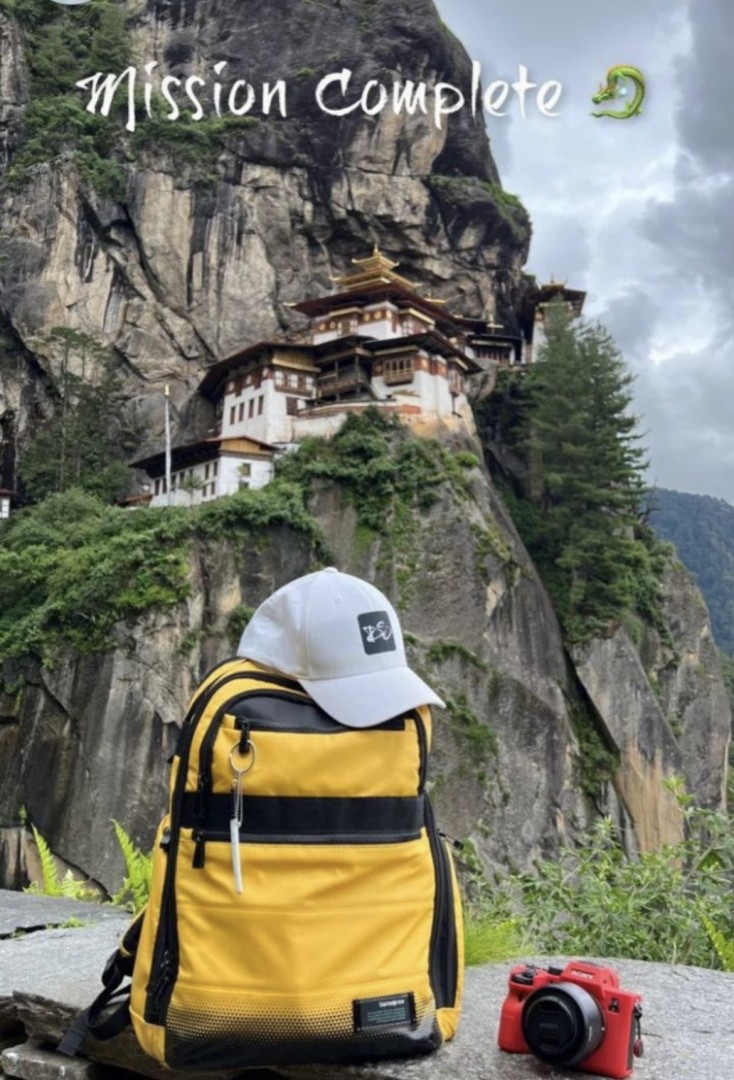
Iconic Tiger’s Nest Monastery hike, the spiritual heart of Bhutan
Short Day-by-Day Travel Plan
Day 1 – Arrival in Paro
Arrive in Bhutan. Explore Paro Valley and enjoy a gentle acclimatisation hike on the Zuri Trail. Overnight in Paro.
Day 2 – Paro to Haa Valley
Scenic drive via Chele La Pass. Afternoon Haa Panoramic Trail hike through forests and open valleys. Overnight in Haa.
Day 3 – Trans Bhutan Trail: Haa to Paro
Full-day trek along the ancient Trans Bhutan Trail, crossing mountain passes and forests before descending into Paro Valley. Overnight in Paro.
Day 4 – Thimphu Exploration
Drive to Thimphu. Visit Buddha Dordenma, cultural museums, and enjoy an evening hike to Wangditse Goenpa. Traditional Bhutanese dinner. Overnight in Thimphu.
Day 5 – Pumola Day Hike
Challenging and rewarding full-day hike to Pumola Monastery via Phajoding, with sweeping mountain views. Overnight in Thimphu.
Day 6 – Divine Madman Trail to Punakha
Drive over Dochula Pass (3,100m). Walk the historic Divine Madman Trail, passing villages, temples, and rich floral vegetation. Overnight in Punakha.
Day 7 – Punakha Valley Hikes
Hike to Khamsum Yulley Namgyal Chorten, explore Punakha Valley, visit the fertility village, Punakha Dzong, and walk the longest suspension bridge of Bhutan. Overnight in Punakha.
Day 8 – Kabji-Hoka Tsho Sacred Lake
Moderate hike to the hidden Kabji-Hoka Tsho, a spiritual mountain lake. Picnic and meditation time. Return to Punakha.
Day 9 – Punakha to Phobjikha
Drive to Longtey and hike into Gangtey / Phobjikha Valley. Nature walk and mineral rich hot stone bath at night. Overnight in Phobjikha.
Day 10 – Phobjikha to Paro
Drive back to Paro via Dochula Pass and Lamperi Botanical Park. Evening at leisure. Overnight in Paro.
Day 11 – Tiger’s Nest Hike
Hike to the iconic Tiger’s Nest Monastery, Bhutan’s most sacred site. Afternoon at leisure in Paro.
Day 12 – Departure
Transfer to Paro International Airport for departure.
Trip Inclusions
Bhutan tourist visa fees and visa processing
Bhutan Sustainable Development Fee (SDF) as per government regulation
All airport transfers and ground transportation in Bhutan
Licensed Bhutanese trekking guide
All meals for the whole trip (breakfast, lunch, dinner)
Accommodation in carefully selected hotels in all destinations
Entrance fees to monuments, museums, and trekking permits
Tiger’s Nest Monastery hike and all guided hikes mentioned in the itinerary
Drinking water (boiled/filtered) during trekking days
All applicable government taxes and service charges
24/7 local support and on-ground coordination
Trip Exclusions
International airfare to and from Bhutan
Personal trekking gear (trekking poles, hiking boots, clothing)
Travel insurance (mandatory for trekking and recommended with high-altitude coverage)
Personal expenses (Shopping, alcoholic beverages and so on)
Tips and gratuities for guide and drivers
Best Time to Trek in Bhutan
The best seasons for trekking in Bhutan are spring (March to May) and autumn (September to November). Spring offers blooming rhododendrons, mild temperatures, and clear mountain views, while autumn provides crisp air, stable weather, and spectacular visibility of the Himalayan peaks. These seasons ensure the most comfortable conditions and rewarding trekking experiences.
Why Travelers Choose the Trans Bhutan Trail Hike
1. It’s a walk through living history and cultural heritage
The Trans Bhutan Trail is a 400+ km ancient route that once connected Bhutan from west to east, used for centuries by pilgrims, traders, messengers, and even royalty. Restored recently under a royal initiative, it’s a rare opportunity to walk in the footsteps of generations and experience Bhutan’s cultural fabric up close.
2. Unique blend of culture, spirituality, and nature
Unlike many alpine treks that focus mostly on wilderness, this trail weaves through:
Traditional villages
Buddhist temples and dzongs
Sacred sites and monasteries
Local communities and daily life
Hikers experience not just landscapes, but Bhutanese heritage, religion, and people along the way.
3. Restored as a sustainable tourism and community project
The trail’s revival is part of a not-for-profit initiative that prioritises cultural preservation and community benefit. Tourism on the trail supports local livelihoods, maintains historical footpaths, and helps remote villages remain connected.
For socially conscious travelers, this adds another layer of meaning — their trip actively helps sustain the trail and communities, not just bring them profit.
4. Versatile experience — not just hardcore trekking
The trail can be experienced in different ways:
As a full end-to-end multi-week walk
In shorter, accessible sections tailored to ability and interests
Combined with cultural touring and temple visits
This flexibility makes it appealing to both serious hikers and travelers who want a cultural walking adventure rather than a demanding high-altitude expedition.
5. Dramatic and varied scenery
The route cuts across diverse ecological zones — from:
Forests and river valleys
Alpine passes and high meadows
Rice terraces and historic bridges
Mountain panoramas with Himalayan peaks
It’s not just a single environment but a cross-section of Bhutan’s natural diversity.
6. Authentic connection with local life
Walking through villages and communities — many of which see few tourists — offers intimate cultural interactionsnot possible on regular tours. Travelers often walk past old homesteads, meet villagers, and see farming rhythms that haven’t changed for generations.
7. Spiritual and reflective journey
Because many parts of the trail connect sacred sites and ancient monasteries, the experience often goes beyond physical hiking — hikers describe it as spiritually uplifting, slow-paced, and mindful.
Activity Reviews
There are no reviews yet.
Activity Questions
There are no questions yet.