
Experience Details
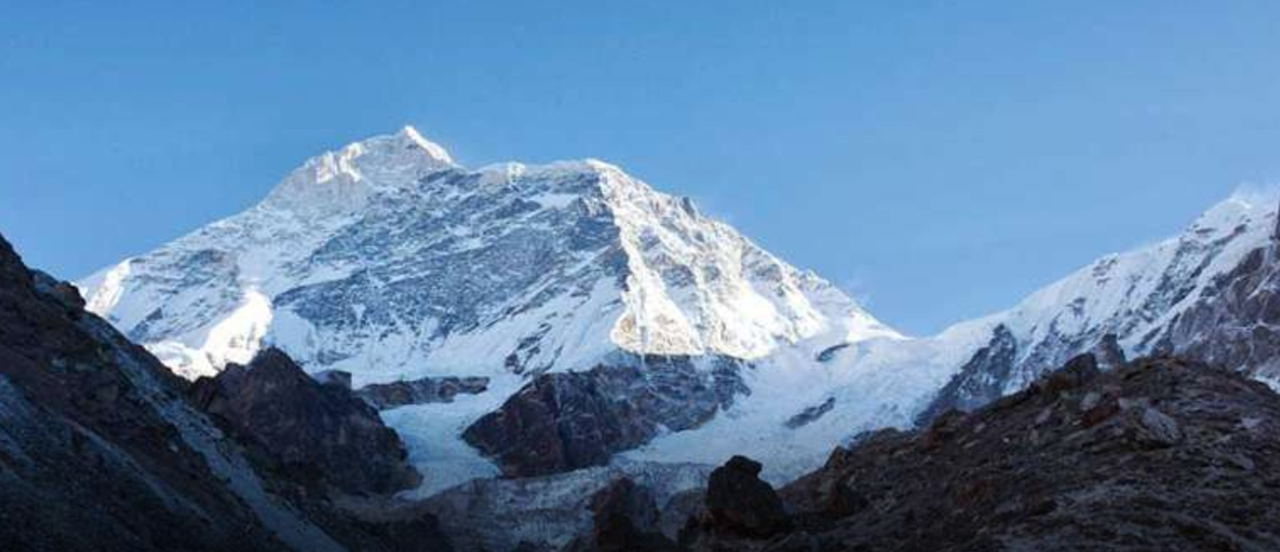
Mt. Makalu Expedition Trip Highlights
- Makalu Expedition (8,481m): 5th highest mountain, technical ascent via the North Ridge.
- Climbing Route: Begins at Tumglingtar, trekking through Nghe Kharka, crossing Barun Khola, and setting up four camps.
- Camp Locations: Camps I to IV progressively established on the glacier plateau, Makalu Pass, and North Ridge.
- Technical Challenge: Considered more technical than climbing Everest, with steep slopes and the Messner Headwall.
- Remote Adventure: Located in the North East of Nepal, Makalu Expedition offers a remote and challenging experience in the realm of glaciers and towering mountains.
Makalu Expedition Description
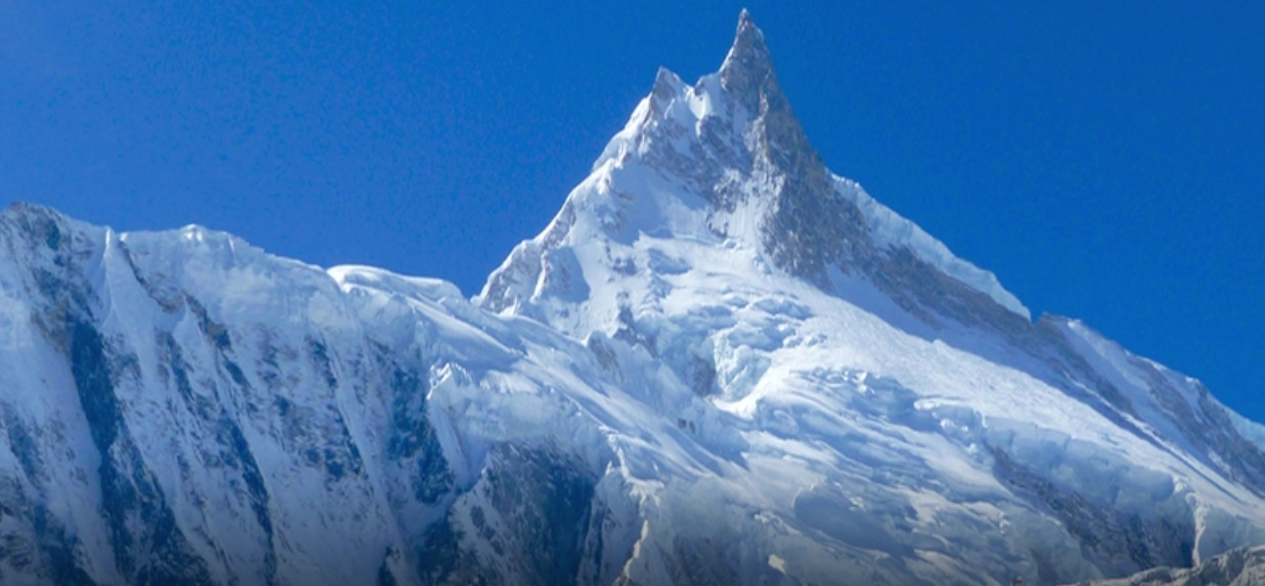
Our route does transverse first climbing all the way to Nghe Kharka, crossing the Barun Khola flowing from Makalu. Normally, we set up four camps in the approach excluding ABC at 5,700m. Camp IV will be set up on the North Ridge at 7,850m and finally leap for the summit at 8,462m.
We fly from Kathmandu to Tumglingtar in the East and then we have got about a three and half hour rickety drive to the start of the trekking expedition. Following the lateral moraine and hiking onto the glacier, we plan to set up camp I at a glacial plateau at 6,150m further proceeding the direction of the glacier plateau towards Makalu Pass, climbing stretches of steep slopes, and arriving at the base of the Makalu Pass to set up the camp II at 7,000m.
Mt. Makalu is 8481 meters and it is the 5th highest mountain in the world and specific and it’s a very technical peak; it’s more technical than climbing Mt. Everest. Makalu Trek Expedition is hence considered quite technical.
We climb the Messner Headwall towards the northwest Ridge at Makalu La and the site of Camp III at 7,300m. Makalu Expedition is not a huge mountaineering challenge, it’s in the North East of Nepal. remote and challenging.
This is the realm of the glaciers, surrounded by the unforgettable presence of the world’s mightiest mountains; and brooding above the towering bulk of Everest itself. The route to Makalu Base Camp (4823m) involves a sustained period at altitude with some steep slopes, but rewards with powerful views of Makalu (8481m) to the north.
Day to Day Itinerary
Day 1 : 𝐀𝐫𝐫𝐢𝐯𝐚𝐥 𝐊𝐚𝐭𝐡𝐦𝐚𝐧𝐝𝐮 𝐭𝐫𝐚𝐧𝐬𝐟𝐞𝐫 𝐇𝐨𝐭𝐞𝐥.
Today we will first-day meeting at the international airport. Unique sherpa trek & expedition staff is standing out ground which welcomes you with company banner and some Malas by prepared. After all, meet over there introduce each other, hug, and together go to the hotel in the city by car, any used vehicle. Overnight at Hotel in Kathmandu.
Day 2 : 𝐏𝐫𝐞𝐩𝐚𝐫𝐚𝐭𝐢𝐨𝐧 𝐲𝐨𝐮𝐫 𝐢𝐦𝐩𝐨𝐫𝐭𝐚𝐧𝐭 𝐞𝐪𝐮𝐢𝐩𝐦𝐞𝐧𝐭 𝐟𝐨𝐫 𝐞𝐱𝐩𝐞𝐝𝐢𝐭𝐢𝐨𝐧.
Organize permits and important documents for the expedition. On the day visit the market shop for expedition things. have you leisure visit some pilgrimage place near the city. and at evening attend the expedition briefing by your professional climbing guide. Enjoy the welcome dinner with a live Nepali cultural show in the evening.
Day 3 : 𝐅𝐥𝐲 𝐭𝐨 𝐓𝐮𝐦𝐥𝐢𝐧𝐠𝐭𝐚𝐫 (𝟏,𝟎𝟏𝟎𝐦) 𝐟𝐫𝐨𝐦 𝐊𝐚𝐭𝐡𝐦𝐚𝐧𝐝𝐮.
Fly to Tumlingtar which is an hour flight. Here your trekking crew will meet you and a bit of briefing about the trail, then start walking up to Khadbari (1,040 m). Have lunch break in the shade of Kabra Trees. We walk north towards Khandbari, then begin walking on a plateau for around 45 minutes after the trails climb gradually to Khandbari. We camp above the village.
Day 4 : 𝐓𝐮𝐦𝐥𝐢𝐧𝐠𝐭𝐚𝐫 / 𝐓𝐫𝐞𝐤 𝐤𝐡𝐚𝐝𝐛𝐚𝐫𝐢 𝐭𝐨 𝐜𝐡𝐢𝐜𝐡𝐢𝐥𝐚 (𝟏,𝟐𝟑𝟎𝐦).
After breakfast walk through many small picturesque villages most of the time the walk is uphill and you will be walking through bamboo groves and a rhododendron forest. Our camp is at Chichela a small settlement of Gurungs at 1830m.
Day 5 : 𝐂𝐡𝐢𝐜𝐡𝐢𝐥𝐚 𝐭𝐨 𝐍𝐮𝐦 (𝟏,𝟒𝟗𝟎𝐦).
Today we start walking with views of snow-capped peaks in the distance. Fantastic views of Makalu and its surrounding peak. Walk on a straight path, with little ups and downs, through the forest to have lunch at about 2 hrs and then start descending to reach Num. Camp.
Day 6 : 𝐍𝐮𝐦 𝐭𝐨 𝐒𝐞𝐝𝐮𝐚 (𝟏,𝟒𝟔𝟎𝐦).
The trail today descends steeply from Num through the Cornfield of Lumbang. The country is particularly rocky; tiny terraces planted with corn and barley, then we have a tough steep climb to Sedua. Camp
Day 7 : 𝐒𝐞𝐝𝐮𝐚 𝐭𝐨 𝐓𝐚𝐬𝐡𝐢 𝐠𝐚𝐮𝐧 (𝟐,𝟎𝟔𝟎𝐦).
The trail crosses meadows and several streams then climbs to the Sherpa village of TashiGaon, the last permanent settlement in the valley. Camp
Day 8 : 𝐓𝐚𝐬𝐡𝐢 𝐠𝐚𝐮𝐧 𝐭𝐨 𝐊𝐚𝐮𝐦𝐚(𝟑,𝟒𝟕𝟎𝐦).
A very hard day of the trek as the trail goes up real steep. We walk through the sparse forests along the ridge over a hillock and descend a bit to Kauma at 3470 m. Camp
Day 9 : 𝐑𝐞𝐬𝐭 𝐝𝐚𝐲 𝐚𝐭 𝐊𝐚𝐮𝐦𝐚.
Today is a rest day as well as acclimatization day.
Day 10 : 𝐊𝐚𝐮𝐦𝐚 𝐭𝐨 𝐌𝐮𝐦𝐛𝐮𝐤 (𝟑,𝟓𝟕𝟎𝐦).
We again start today with a steep climb then through less steeply rhododendron forests to the top of the ridge. You will have superb views of Chamlang (7,290 m) Peak 6 (6739 m) and Peak 7 (6105 m). Then we will have a final descent through a forest of firs and rhododendrons to Mumbuk. Camp
Day 11 : 𝐌𝐮𝐦𝐛𝐮𝐤 𝐭𝐨 𝐍𝐞𝐡-𝐤𝐡𝐚𝐫𝐤𝐚 (𝟑,𝟕𝟏𝟎𝐦).
Today the trail descends a steep gully with a stream for about 500m. The trail is ill-defined, rocky, and sloppy mud in places as it leads up the glacial valley. From here you can have a good view of Peak 6. NheKharka is located on a large open grassy plain at an elevation of 3000 m. from here you will have great mountain views. Camp
Day 12 : 𝐍𝐞𝐡-𝐤𝐡𝐚𝐫𝐤𝐚 𝐭𝐨 𝐬𝐡𝐞𝐫𝐬𝐨𝐧 (𝟒,𝟔𝟏𝟎𝐦).
The trail today turns westward and leaves the rhododendron forests for the alpine tundra. There are excellent views of Pyramid Peak (7168 m), Peak 4 (6720 m), etc. Sherson is at 4615 m a bit dangerous day as the altitude gains more than 1500 m but we don't have a choice because we do not have any suitable camp between NheKharka
Day 13 : 𝐒𝐡𝐞𝐫𝐬𝐨𝐧 𝐌𝐚𝐤𝐚𝐥𝐮 𝐛𝐚𝐬𝐞 𝐜𝐚𝐦𝐩 (𝟓,𝟎𝟎𝟎𝐦).
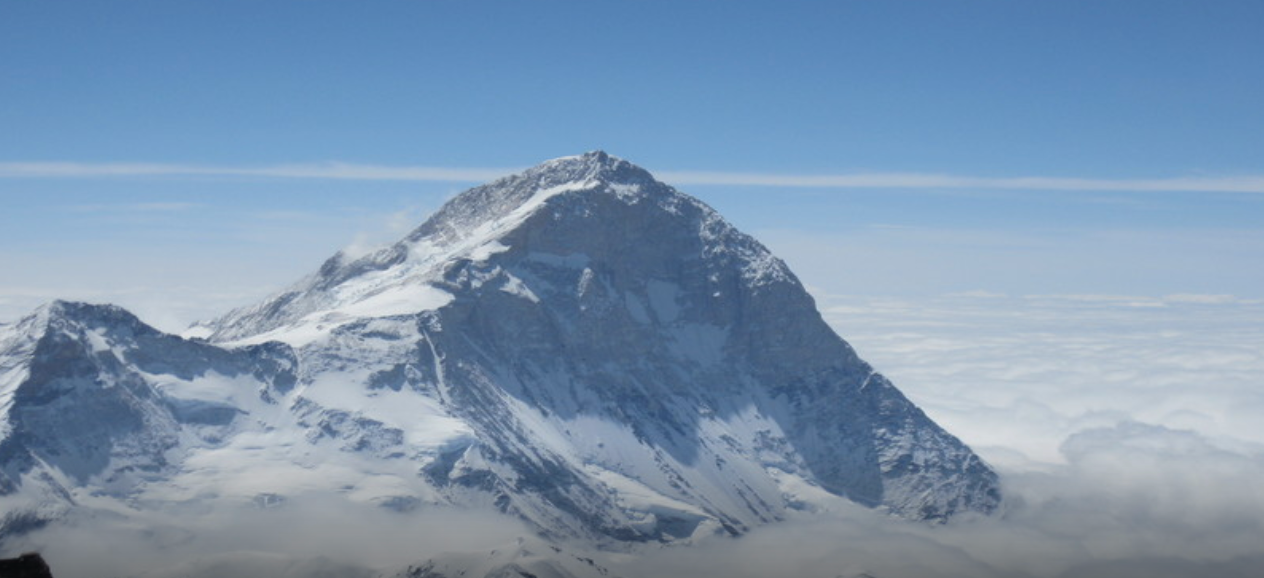
Today is a gradual climb to a minor pass of about 100 m. From here you will have a magnificent south face view of Makalu also you will be able to see the complete panorama of Everest and Lhotse. Camp
Day 14 : 𝐄𝐱𝐩𝐥𝐨𝐫𝐞 𝐦𝐚𝐤𝐚𝐥𝐮 𝐛𝐚𝐬𝐞 𝐜𝐚𝐦𝐩.
The trek to Makalu Base Camp is considered one of the most challenging treks in Nepal, as it involves steep ascents and descents, rugged terrain, and crossing high passes. The trek starts in Tumlingtar and follows the Arun River through dense forests, alpine meadows, and remote villages before reaching the base camp.
The journey to Makalu Base Camp takes around three weeks and offers stunning views of the Himalayan peaks, including Makalu, Everest, Lhotse, and Chamlang. Along the way, trekkers can observe the local culture and lifestyle of the Sherpa, Rai, and Limbu communities who inhabit the region.
Makalu Base Camp is a remote and secluded destination that offers a unique trekking experience for adventure enthusiasts who seek to challenge themselves and explore the unspoiled natural beauty of Nepal.
Day 15 : 𝐑𝐞𝐬𝐭 𝐝𝐚𝐲 𝐚𝐭 𝐦𝐚𝐤𝐚𝐥𝐮 𝐛𝐚𝐬𝐞 𝐜𝐚𝐦𝐩.
Rest Day At Makalu Base Camp for The Necessary Acclimatization & Arrangements For The High Camp.
Day 16-45 : E𝐱𝐩𝐞𝐝𝐢𝐭𝐢𝐨𝐧 𝐩𝐞𝐫𝐢𝐨𝐝𝐬 (𝟖,𝟒𝟔𝟑𝐦).
E𝐱𝐩𝐞𝐝𝐢𝐭𝐢𝐨𝐧 𝐩𝐞𝐫𝐢𝐨𝐝𝐬 (𝟖,𝟒𝟔𝟑𝐦).
Day 46 : E𝐱𝐩𝐞𝐝𝐢𝐭𝐢𝐨𝐧 𝐩𝐞𝐫𝐢𝐨𝐝𝐬 (𝟖,𝟒𝟔𝟑𝐦). 𝐚𝐧𝐝 𝐛𝐚𝐜𝐤 𝐭𝐨 𝐌𝐚𝐤𝐚𝐥𝐮 𝐛𝐚𝐬𝐞 𝐜𝐚𝐦𝐩.
𝐞𝐱𝐩𝐞𝐝𝐢𝐭𝐢𝐨𝐧 𝐩𝐞𝐫𝐢𝐨𝐝𝐬 (𝟖,𝟒𝟔𝟑𝐦). 𝐚𝐧𝐝 𝐛𝐚𝐜𝐤 𝐭𝐨 𝐌𝐚𝐤𝐚𝐥𝐮 𝐛𝐚𝐬𝐞 𝐜𝐚𝐦𝐩.
Day 47 : 𝐍𝐞𝐡 𝐤𝐡𝐚𝐫𝐤𝐚 𝐭𝐨 𝐍𝐚𝐦𝐛𝐮𝐤.
𝐍𝐞𝐡 𝐤𝐡𝐚𝐫𝐤𝐚 𝐭𝐨 𝐍𝐚𝐦𝐛𝐮𝐤.
Day 48 : 𝐍𝐚𝐦𝐛𝐮𝐤 𝐭𝐨 𝐊𝐚𝐮𝐦𝐚.
𝐍𝐚𝐦𝐛𝐮𝐤 𝐭𝐨 𝐊𝐚𝐮𝐦𝐚.
Day 49 : 𝐊𝐚𝐮𝐦𝐚 𝐭𝐨 𝐓𝐚𝐬𝐡𝐢 𝐠𝐚𝐮𝐧.
𝐊𝐚𝐮𝐦𝐚 𝐭𝐨 𝐓𝐚𝐬𝐡𝐢 𝐠𝐚𝐮𝐧.
Day 50 : T𝐚𝐬𝐡𝐢 𝐠𝐚𝐮𝐧 𝐭𝐨 𝐏𝐚𝐤𝐮𝐰𝐚.
T𝐚𝐬𝐡𝐢 𝐠𝐚𝐮𝐧 𝐭𝐨 𝐏𝐚𝐤𝐮𝐰𝐚.
Day 51 : 𝐏𝐚𝐤𝐮𝐰𝐚 𝐭𝐨 𝐁𝐮𝐦𝐥𝐮𝐧𝐠.
𝐏𝐚𝐤𝐮𝐰𝐚 𝐭𝐨 𝐁𝐮𝐦𝐥𝐮𝐧𝐠.
Day 52 : 𝐁𝐮𝐦𝐥𝐮𝐧𝐠 𝐭𝐨 𝐓𝐮𝐦𝐥𝐢𝐧𝐠𝐭𝐚𝐫.
𝐁𝐮𝐦𝐥𝐮𝐧𝐠 𝐭𝐨 𝐓𝐮𝐦𝐥𝐢𝐧𝐠𝐭𝐚𝐫.
Day 53 : 𝐅𝐥𝐲 𝐛𝐚𝐜𝐤 𝐓𝐮𝐦𝐥𝐢𝐧𝐠𝐭𝐚𝐫 𝐭𝐨 𝐊𝐚𝐭𝐡𝐦𝐚𝐧𝐝𝐮.
𝐅𝐥𝐲 𝐛𝐚𝐜𝐤 𝐓𝐮𝐦𝐥𝐢𝐧𝐠𝐭𝐚𝐫 𝐭𝐨 𝐊𝐚𝐭𝐡𝐦𝐚𝐧𝐝𝐮.
Day 54 : 𝐀𝐭 𝐥𝐞𝐢𝐬𝐮𝐫𝐞 𝐢𝐧 𝐊𝐚𝐭𝐡𝐦𝐚𝐧𝐝𝐮 / 𝐟𝐚𝐫𝐞𝐰𝐞𝐥𝐥 𝐝𝐢𝐧𝐧𝐞𝐫.
𝐀𝐭 𝐥𝐞𝐢𝐬𝐮𝐫𝐞 𝐢𝐧 𝐊𝐚𝐭𝐡𝐦𝐚𝐧𝐝𝐮 / 𝐟𝐚𝐫𝐞𝐰𝐞𝐥𝐥 𝐝𝐢𝐧𝐧𝐞𝐫.
Day 55 : 𝐅𝐢𝐧𝐚𝐥 𝐝𝐞𝐩𝐚𝐫𝐭𝐮𝐫𝐞.
𝐅𝐢𝐧𝐚𝐥 𝐝𝐞𝐩𝐚𝐫𝐭𝐮𝐫𝐞.
What's included:
- Airport pick-up and Transportation.
- 3-Night Hotel at Kathmandu (5 Start) Hotel.
- Domestic flight tickets (Kathmandu – Tumlingtar – Kathmandu) and airport departure taxes.
- (100% Waterproof) Duffle bag to keep your personal belongings and things to be carried by the porter.
- 3 Time Meals with Tea/Coffee During Trek.
- Professional Climbing Guide, Personal guide, and Potters (Size of the Groups) During the Trek.
- Climbing Permit, "Tims", National Parks Entry Fee.
- All wages and medical, Insurance, for the Guide and potters.
- First-aid Medical Kits for the Group and Staff.
- Kitchen tents, Sleeping Tents, Dinning Tents, and Toilet Tents.
- All Kinds of Food During Climbing Duration.
- Unique Sherpa trek & Expedition Appreciation Certificate after the successful Expedition.
- Fare-Well dinner in Kathmandu Before Departure
What's excluded:
- Nepal entry visa fee.
- Lunch and dinner in Kathmandu and also in case of early return than the scheduled itinerary.
- Extra baggage check-in during the flight (Kathmandu-Lukla-Kathmandu) if more than 15 KG, extra, can pay directly to the airline.
- Any kind of meal During Your Stay in Kathmandu (Except Farewell Dinner).
- Extra night accommodation in Kathmandu due to early arrival or late departure, or early return from the Expedition.
- Rescue, Medicine, Medical Test, Repatriation, Hospitalization Expenses for Climbs.
- Any Internet, Hot shower, Drinking Water, Alcohol, cold Drinks, Laundry.
- Additional costs suffered due to causes beyond our control, such as natural disasters, weather conditions, itinerary modifications due to safety concerns, emergency evacuation, changes in government policies, strikes, and so forth.
- Insurance for Clients
- International flight Tickets.
- Clothing, Packing Items or Bags, Personal, Medical Kits, and Personal Climbing gear.
- Climbing Summit Bonus.
- Normally 15% Tips for all Staff.
- any other items, not Included in the Above (Cost Included) Section.
High-Altitude Climbing Tactics: Mount Makalu presents unique challenges due to its extreme altitude and technical terrain. Climbers should be familiar with high-altitude climbing tactics such as proper pacing, hydration, nutrition, and rest breaks to conserve energy and minimize the risk of altitude-related illnesses.
Oxygen Support and Supplemental Gear: Given the extreme altitude of Mount Makalu, some climbers may opt to use supplemental oxygen to aid in the ascent. Portable oxygen systems, along with masks and regulators, can provide vital support at high altitudes. Additionally, carrying essential supplemental gear such as high-altitude tents, sleeping bags, and stoves is crucial for surviving the harsh conditions.
Glacier Travel and Crevasse Rescue Training: Climbers should undergo thorough training in glacier travel techniques and crevasse rescue procedures before attempting the Mount Makalu Expedition. This includes practicing rope management, self-arrest techniques, and building snow anchors to prevent falls and rescue team members in the event of a crevasse fall.
Communication and Satellite Technology: Establishing reliable communication systems is essential for the safety and coordination of the Mount Makalu Expedition. Climbers should carry satellite phones, radios, or GPS devices to maintain contact with base camp and other team members. These devices can also facilitate coordination with rescue services in case of emergencies.
Emergency Evacuation and Helicopter Support: Mount Makalu's remote location and extreme conditions necessitate careful planning for emergency evacuation and helicopter support. Climbers should be aware of available helicopter rescue services and evacuation routes in the event of accidents, injuries, or life-threatening medical conditions requiring immediate evacuation.
Expedition Leadership and Decision-Making: Strong expedition leadership and effective decision-making are crucial for the success and safety of the Mount Makalu Expedition. Expedition leaders should possess extensive mountaineering experience, excellent judgment, and the ability to make tough decisions regarding weather, route conditions, and team dynamics.
Environmental Impact and Conservation: Climbers should strive to minimize their environmental impact during the Mount Makalu Expedition by adhering to Leave No Trace principles and practicing responsible mountaineering. This includes proper waste disposal, avoiding unnecessary disturbance of flora and fauna, and respecting local customs and cultural heritage sites.
Mental Resilience and Psychological Preparedness: Climbing Mount Makalu requires not only physical strength but also mental resilience and psychological preparedness. Climbers should be prepared to face adversity, uncertainty, and discomfort during the expedition and develop coping strategies to overcome challenges and maintain a positive mindset.
Expedition Cost and Financial Planning: The Mount Makalu Expedition involves significant costs associated with permits, equipment, logistics, support staff, and travel expenses. Climbers should carefully budget and plan their finances to ensure they have adequate resources to cover all aspects of the expedition and handle unforeseen expenses.
Post-Expedition Reflection and Legacy: After completing the Mount Makalu Expedition, climbers should reflect on their experience, celebrate their achievements, and consider the legacy they leave behind. This may include sharing their story, supporting conservation efforts in the region, and inspiring future generations of mountaineers to pursue their dreams.